
Four words, mostly one service
If you have spent any time searching for transportation in Calgary, you have run into all of these: private driver, chauffeur service, black car service, executive car service, and limousine service. They are used almost interchangeably by the industry, which is unhelpful when you are trying to work out what will actually arrive. In practice most of these terms describe the same core arrangement: a professional driver, a booked-ahead trip, and a vehicle held for you rather than shared. The differences are mostly in tone and history rather than in what happens on the day.
Private driver
The plainest of the terms, and the most literal. A private driver is a professional driver assigned to your trip and nobody else's. The booking is arranged in advance, the vehicle is yours for that journey, and the route is whatever you need it to be. It carries no particular implication about vehicle type, which is why it is the broadest and least misleading of the four. Most operators using it run luxury sedans and SUVs rather than anything more exotic.
Chauffeur service
Historically a chauffeur was employed by a household rather than hired per trip, and the word still carries that older, more formal association. Today it is used mainly to signal a standard of conduct: a driver who handles doors and luggage, dresses professionally, and treats discretion as part of the job. It describes the service level rather than the vehicle.
Black car service
An import from American corporate travel, where the executive fleet was traditionally black sedans. It has come to mean professional, understated, business-appropriate transportation, and it is the term you are most likely to see inside corporate travel policies. The colour is no longer the point; the expectation of a discreet, professional arrival is.
Executive car service
Essentially black car service with the corporate use case stated openly. It usually implies business travel: airport runs, client movements, meetings across a city, and the sort of scheduling where being late has consequences. When a company says executive car service, it generally means a vehicle and driver it is comfortable putting a visiting client into.
Limousine service: the term that actually splits
This is the one that genuinely diverges, and the one that causes the most confusion in Calgary. To much of the industry, limousine service is a licensing and service category that includes executive sedans and SUVs. To most people typing it into a search bar, a limousine is a stretch vehicle for a wedding, a prom, or a party. Those are two different products. If you are booking transportation for a group celebration and picturing a stretch vehicle or a party bus, you want an operator who runs those specifically. If you are picturing a professional driver in a luxury sedan or SUV, that is a different service wearing the same name.
What PrimeKar runs
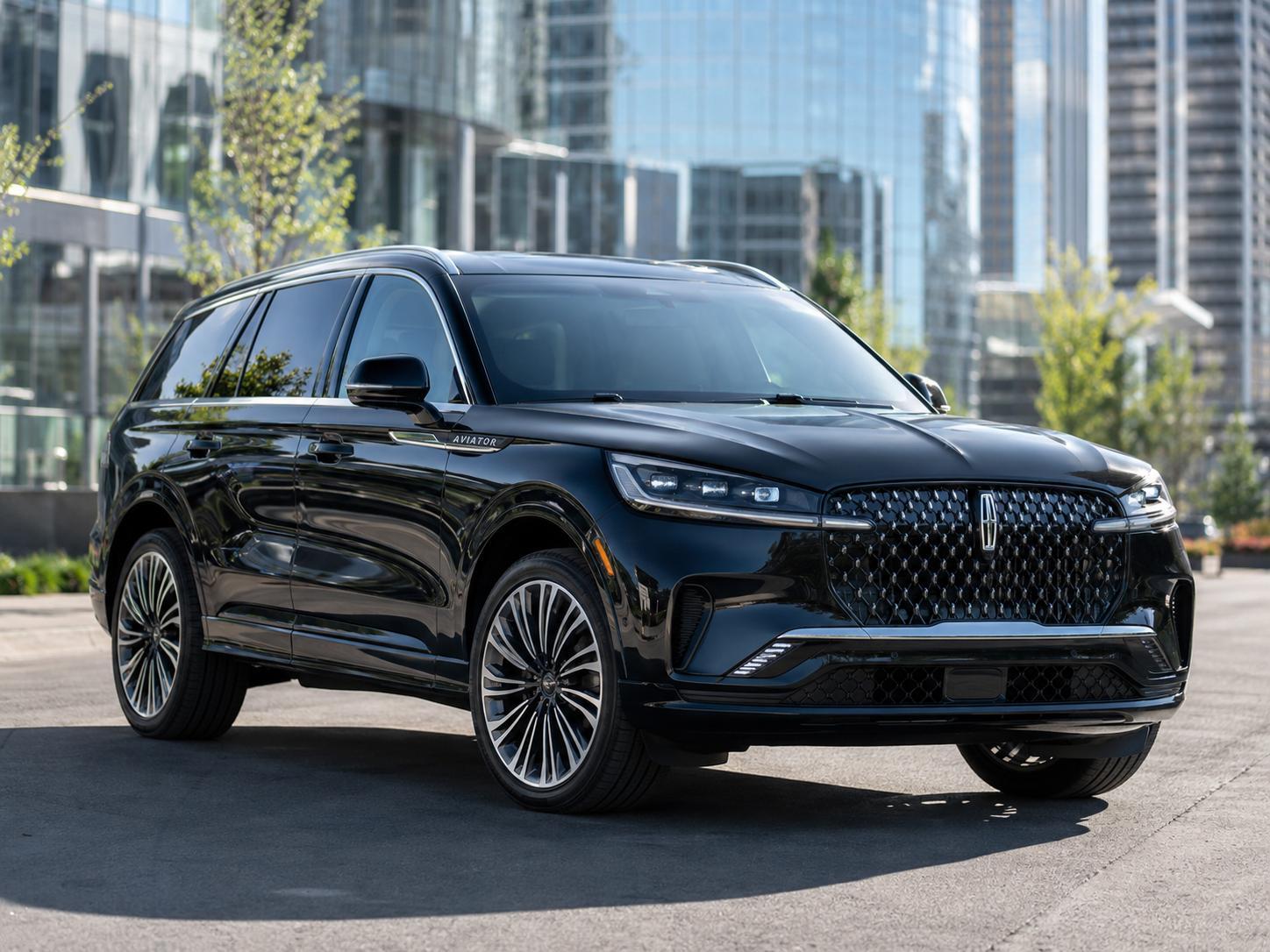
PrimeKar operates two classes, both of them standard passenger vehicles rather than stretch limousines. PrimeKar Executive covers up to 4 passengers using vehicles including the Tesla Model Y, Lincoln SUV and Lexus SUV. PrimeKar Elite XL covers up to 6 passengers using full-size SUVs including the Chevrolet Suburban, Chevrolet Tahoe and Lincoln Navigator. If you search any of the four terms above and land here, that is what arrives: a professional driver and a well-kept SUV or sedan, booked ahead.
Licensing is the line that actually separates operators
Underneath the vocabulary there is a real distinction, and it is a regulatory one rather than a marketing one. Carrying passengers for hire commercially requires appropriate licensing and insurance, and those obligations differ from those on a private individual driving their own car. This is the thing genuinely worth verifying, and it applies regardless of which of the five terms an operator has chosen for its website. A company that can answer clearly about its licensing and commercial insurance is telling you something concrete; the label above it on the homepage is not.
Booked ahead is not the same as available now
One more distinction gets blurred in the marketing, and it is worth stating plainly. A booked-ahead private driver service is not an on-demand service with a nicer car. The vehicle is scheduled for your trip in advance, which is precisely what makes it dependable for an early flight or a client arrival, and precisely why it is not the right tool for a spontaneous ride in fifteen minutes. Some operators blur this deliberately, implying instant availability they cannot consistently deliver. Booking ahead is the feature, not a limitation to be apologised for.
The distinction that actually matters
Rather than choosing between the labels, it is more useful to ask a different question: is this arranged in advance, or summoned on the spot? A booked-ahead private driver knows your pickup time before the day starts, and the vehicle is committed to your trip. An on-demand app matches you with whoever is nearby when you open it. Both are legitimate, and for a spontaneous trip across town the on-demand option is often the sensible one. But for an early flight, a client arrival, or a mountain route, the arrangement matters more than which of the four words the company uses to describe itself.
What to check before you book
Whatever the service calls itself, four questions separate operators quickly. Is it licensed and insured for commercial passenger transport? What vehicle class actually arrives, and how many passengers and bags does it take? How are changes and delays handled? And can you reach a person if something moves at short notice? Those answers tell you far more than whether the website says chauffeur or black car.
The short version
Private driver, chauffeur, black car and executive car service are close enough to the same thing that the label rarely matters. Limousine is the one worth reading twice, because it can mean a stretch vehicle or a professional sedan depending on who wrote the page. If you want to know exactly what will arrive for your trip, the fastest route is to ask.